Welcome
EUPHORIA is the fifth Collaborative European Freshwater Science Project for Young Researchers, also known as “FreshProject.” This initiative aims to deepen our understanding of aquatic plant phenology across Europe by fostering collaboration among Early Career Researchers (ECRs) from multiple European countries. Through shared expertise, environmental monitoring, and community engagement, EUPHORIA participants will build a comprehensive dataset on the timing of key life cycle events in aquatic plants, promoting a richer understanding of freshwater ecosystems across diverse regions.
2025 EUPHORIA fieldwork
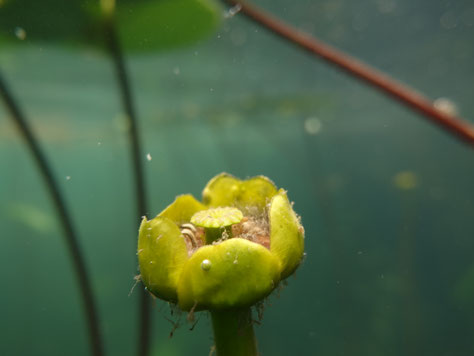
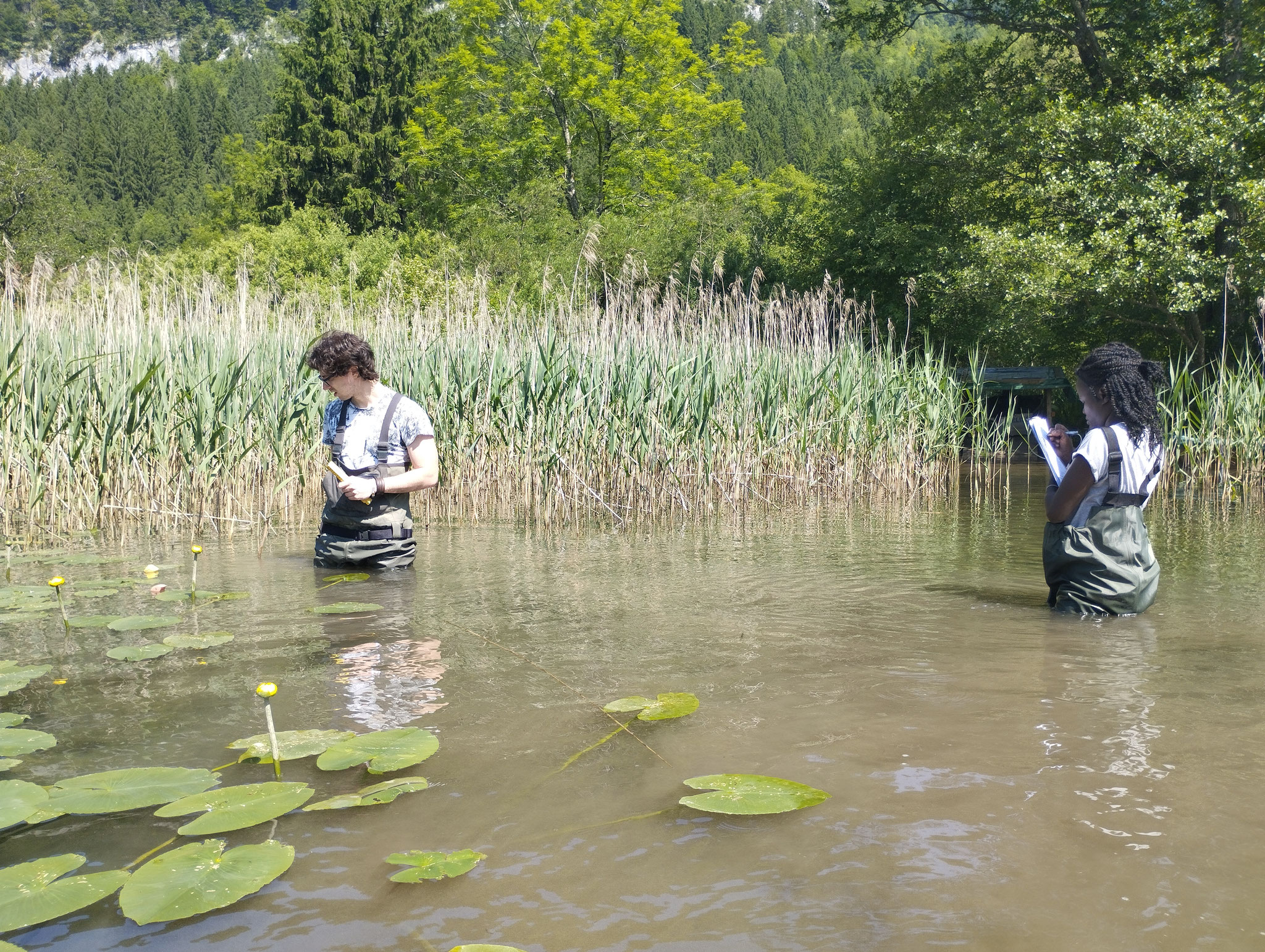
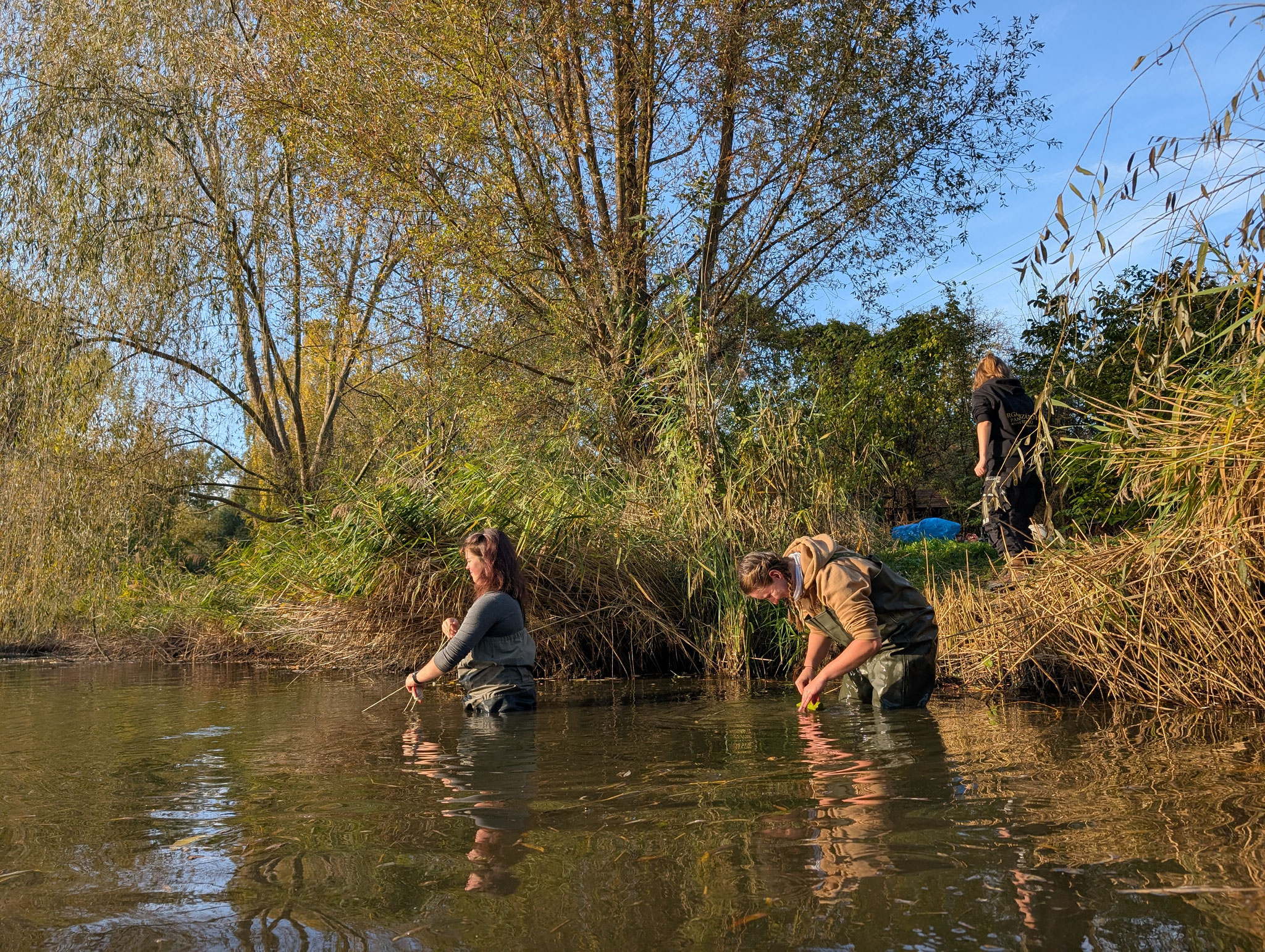
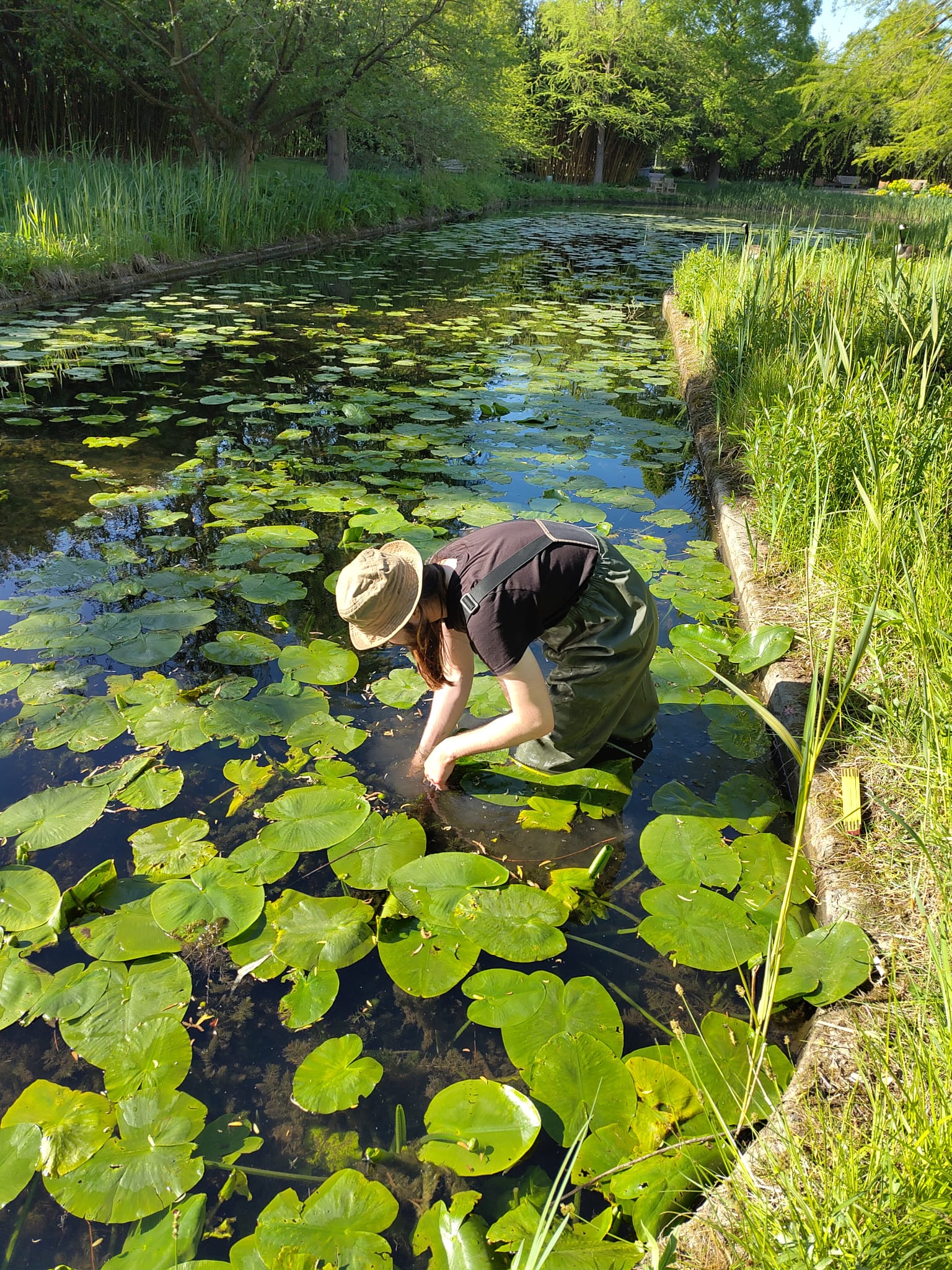
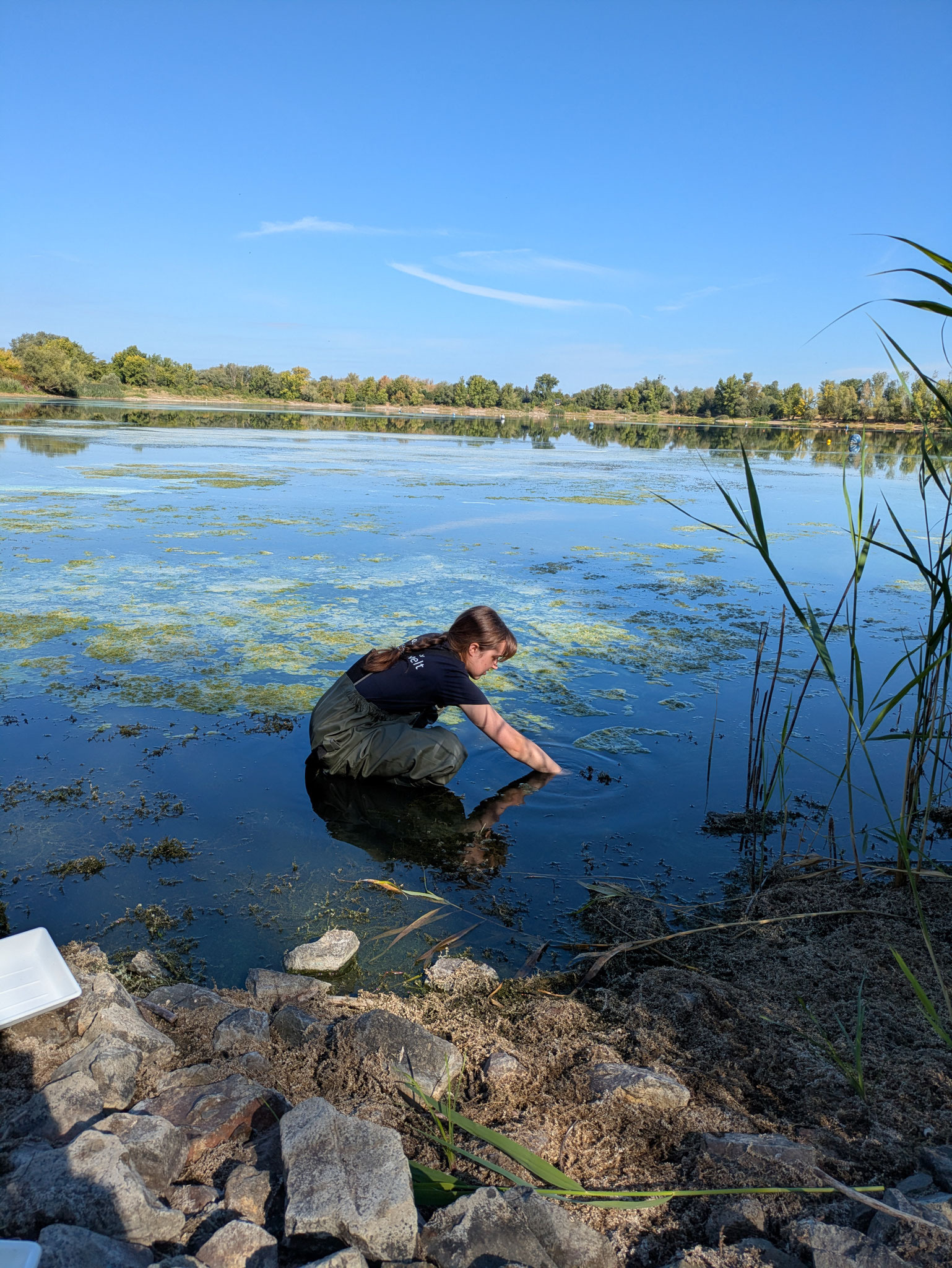
The EUPHORIA fieldwork campaign spanned a wide range of species found in sites scattered across Europe, giving us the chance to explore new places and discover truly fascinating underwater worlds.
Each location offered its own unique landscapes, challenges, and ecological stories, enriching our understanding of aquatic plant phenology and the environments these species call home.
An inspiring journey that brought science, nature, and curiosity together. 🌿🌍💧
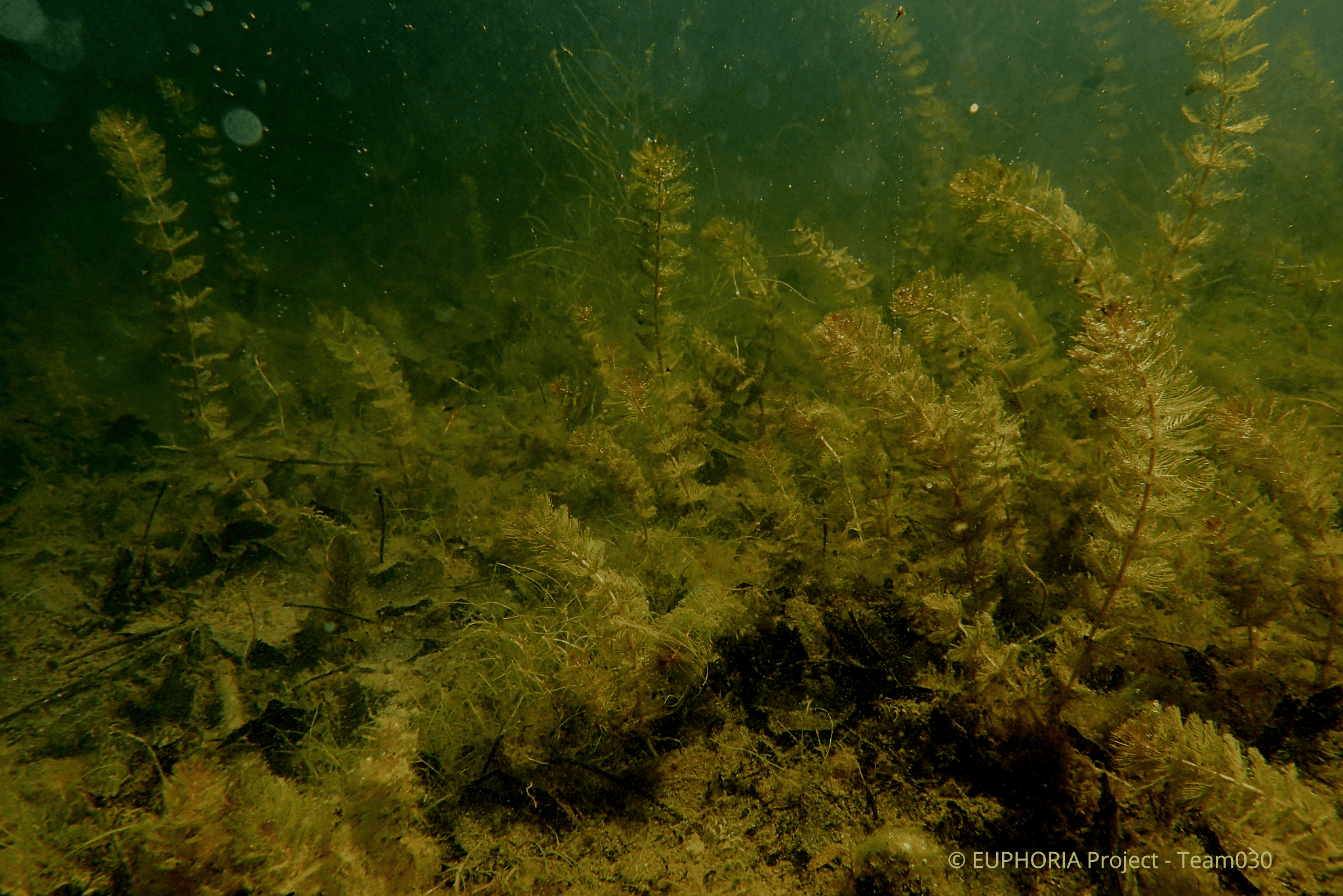
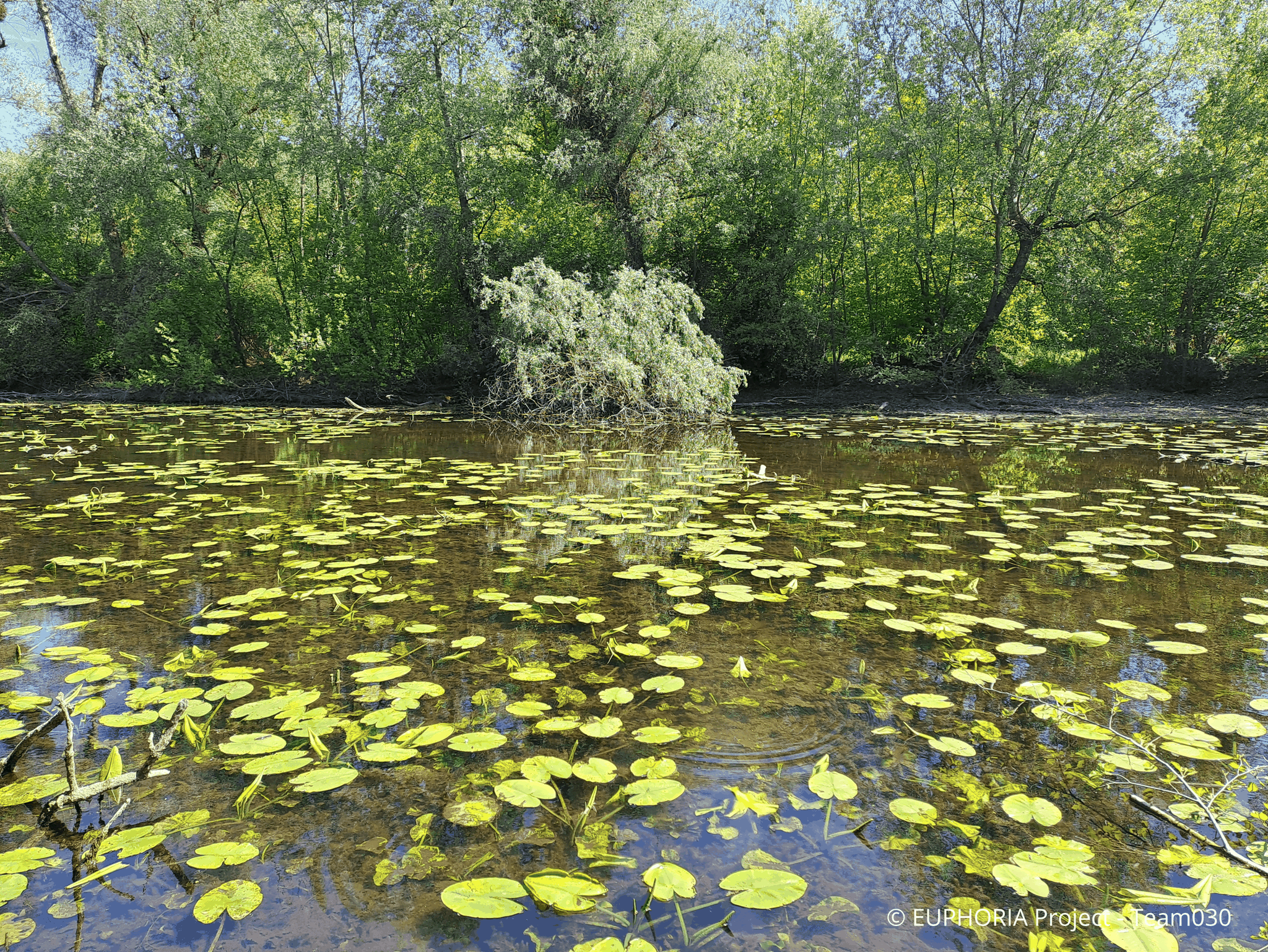
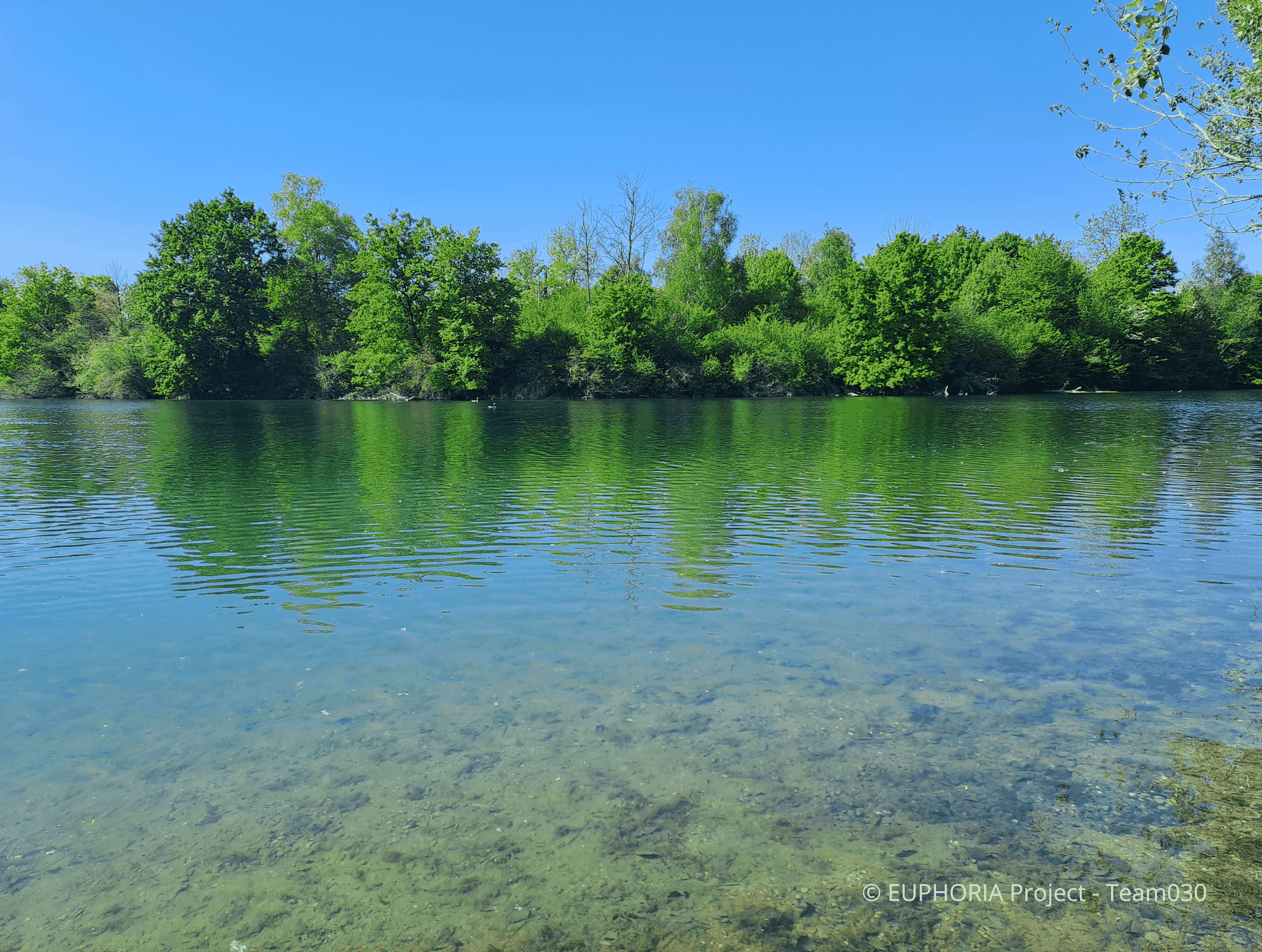
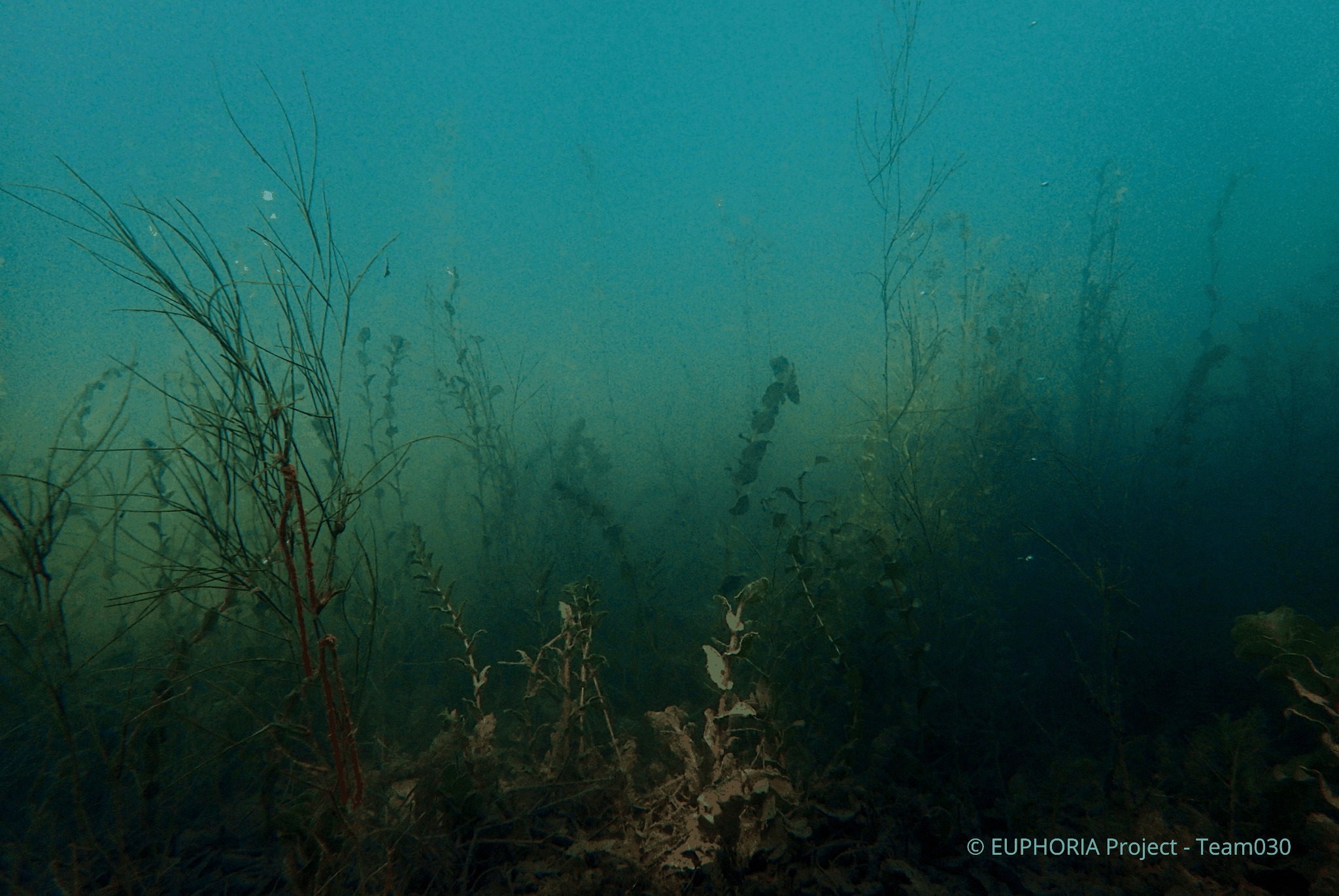
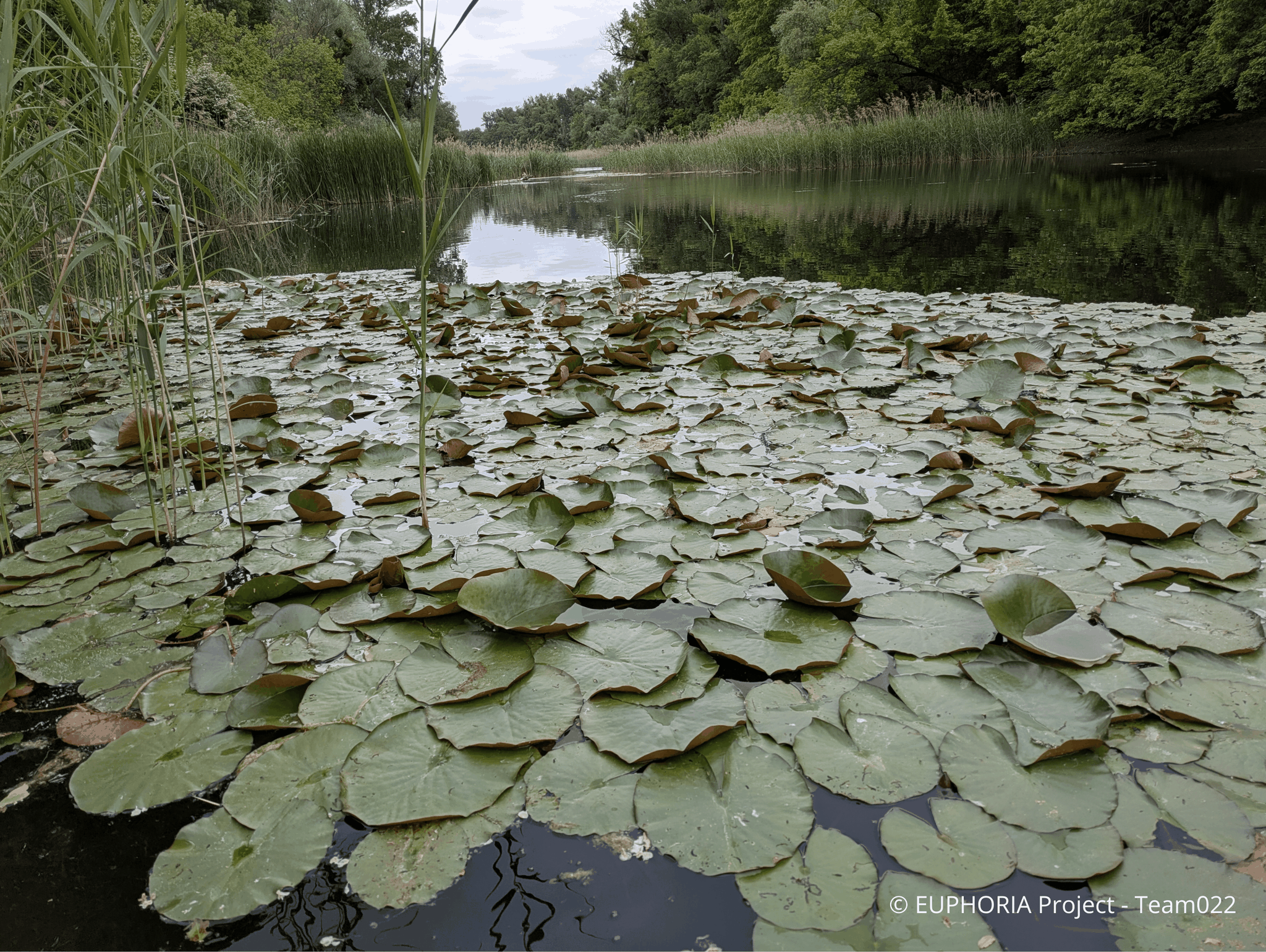


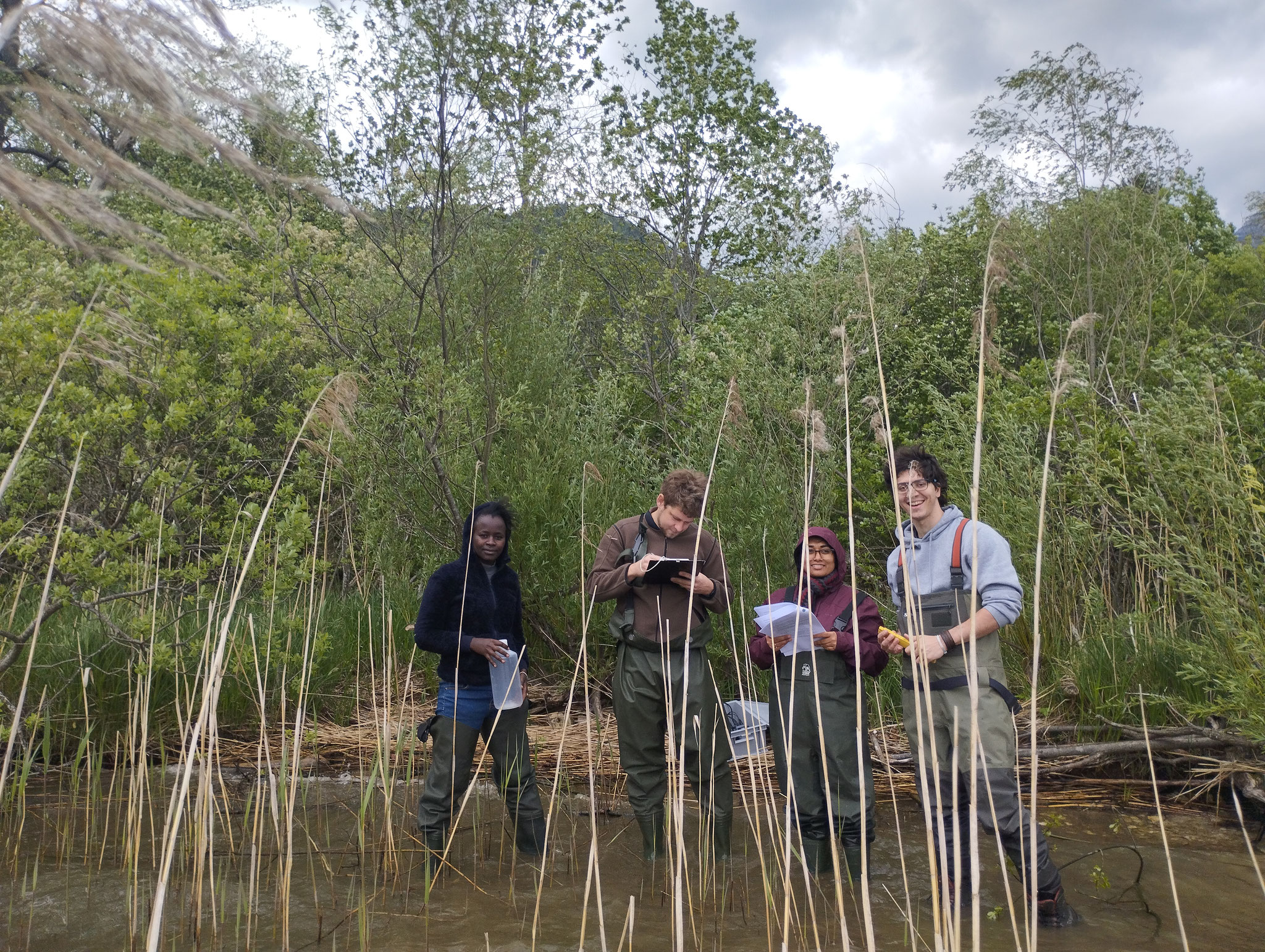
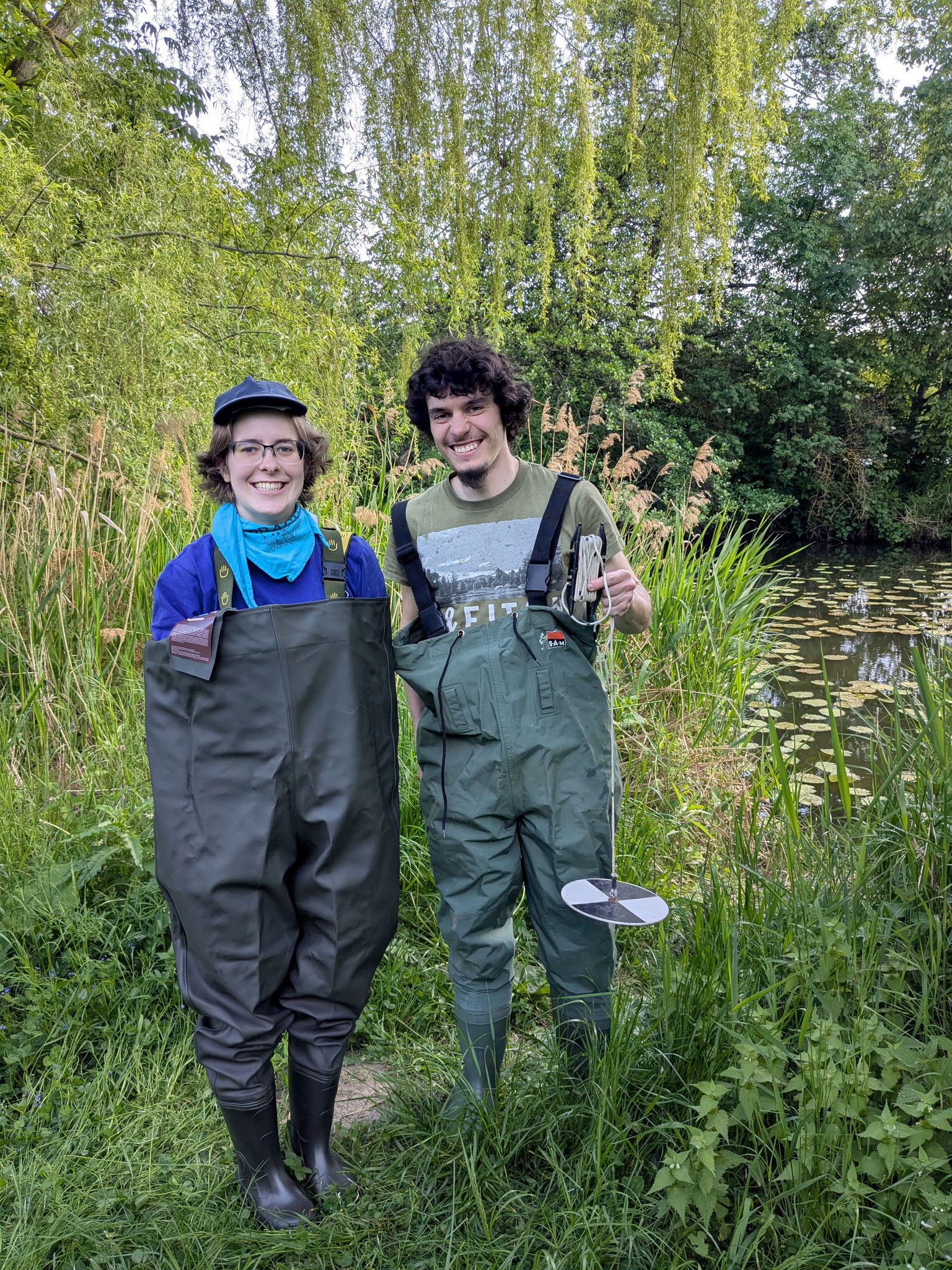
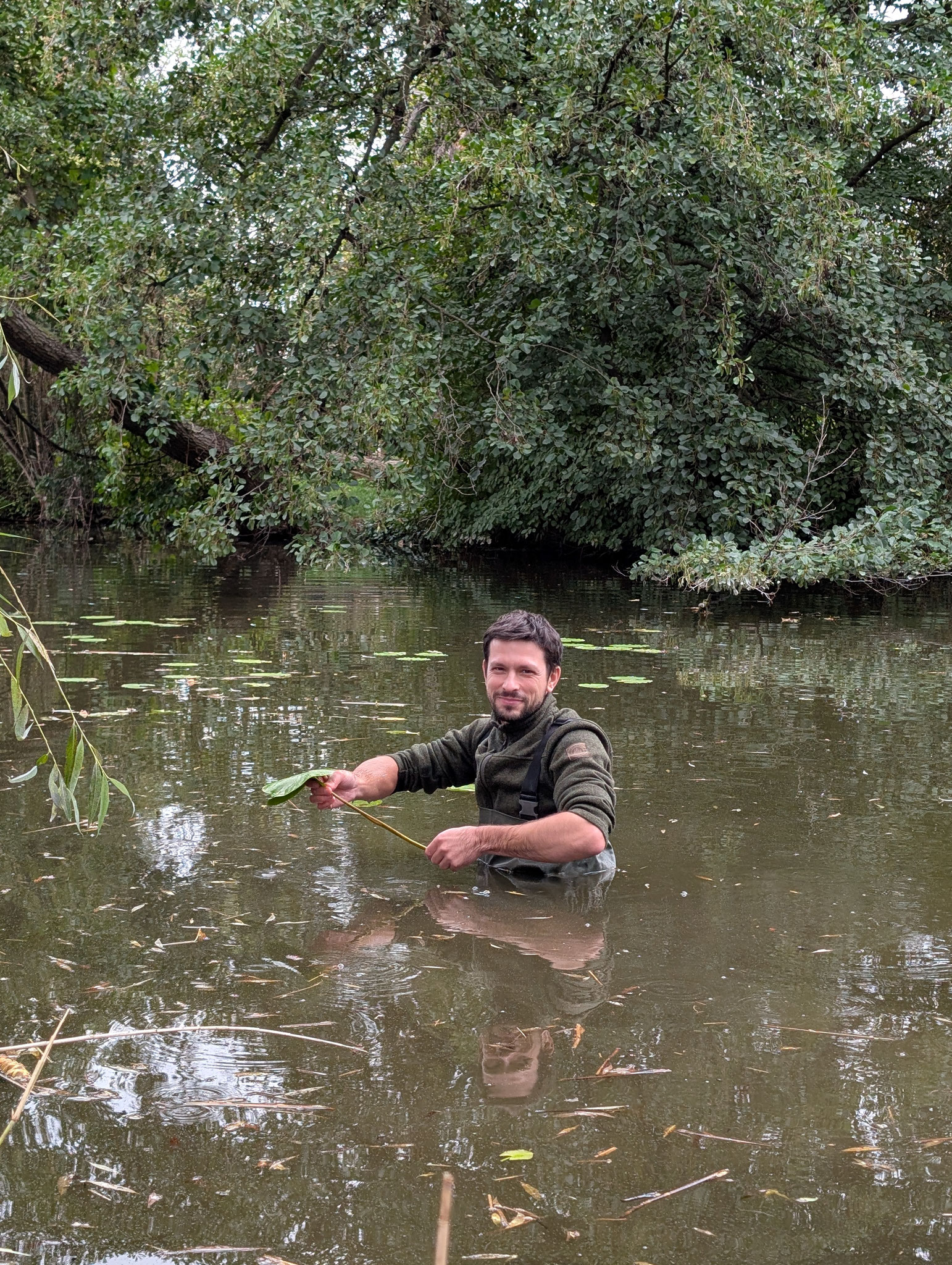
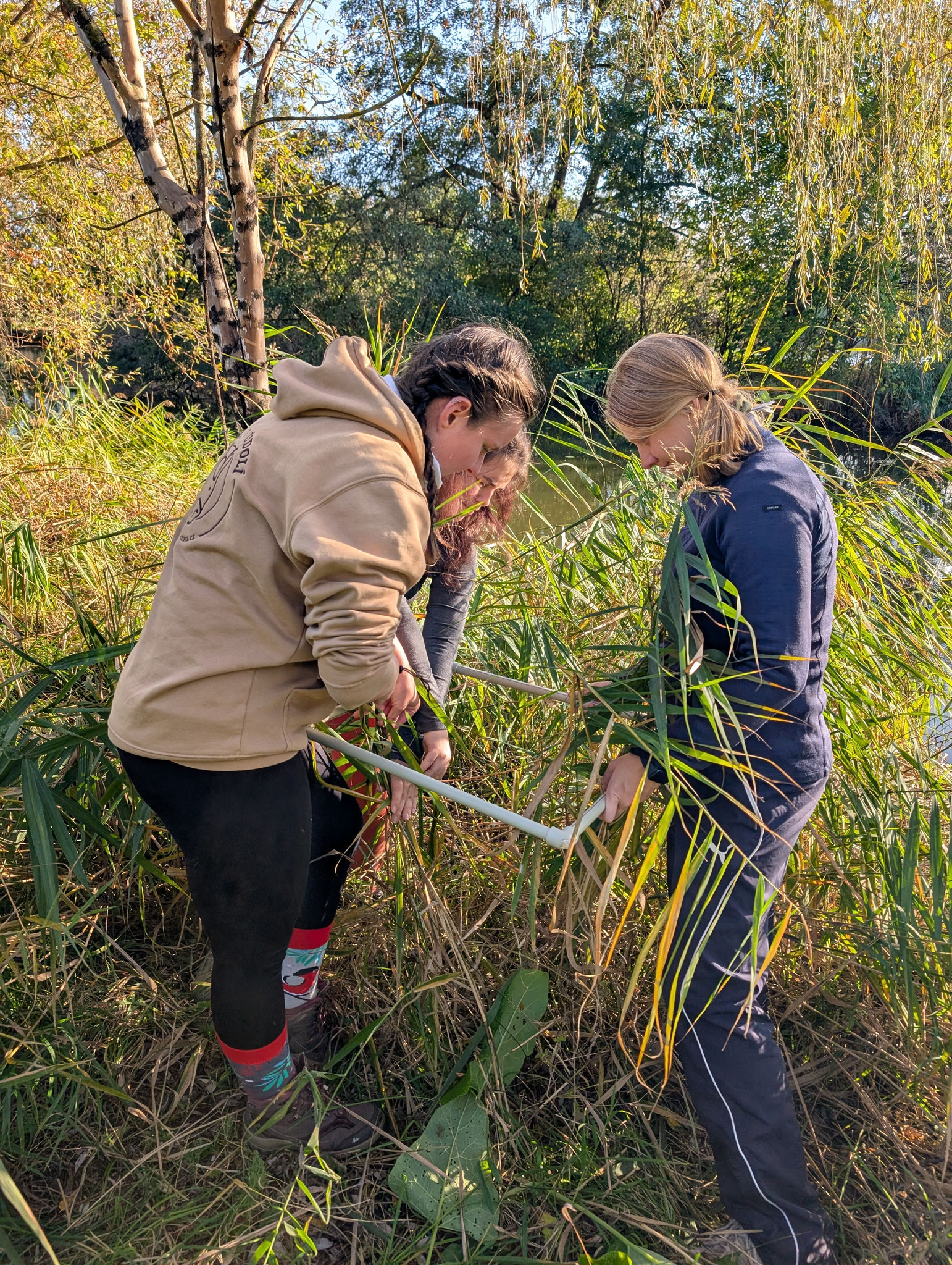
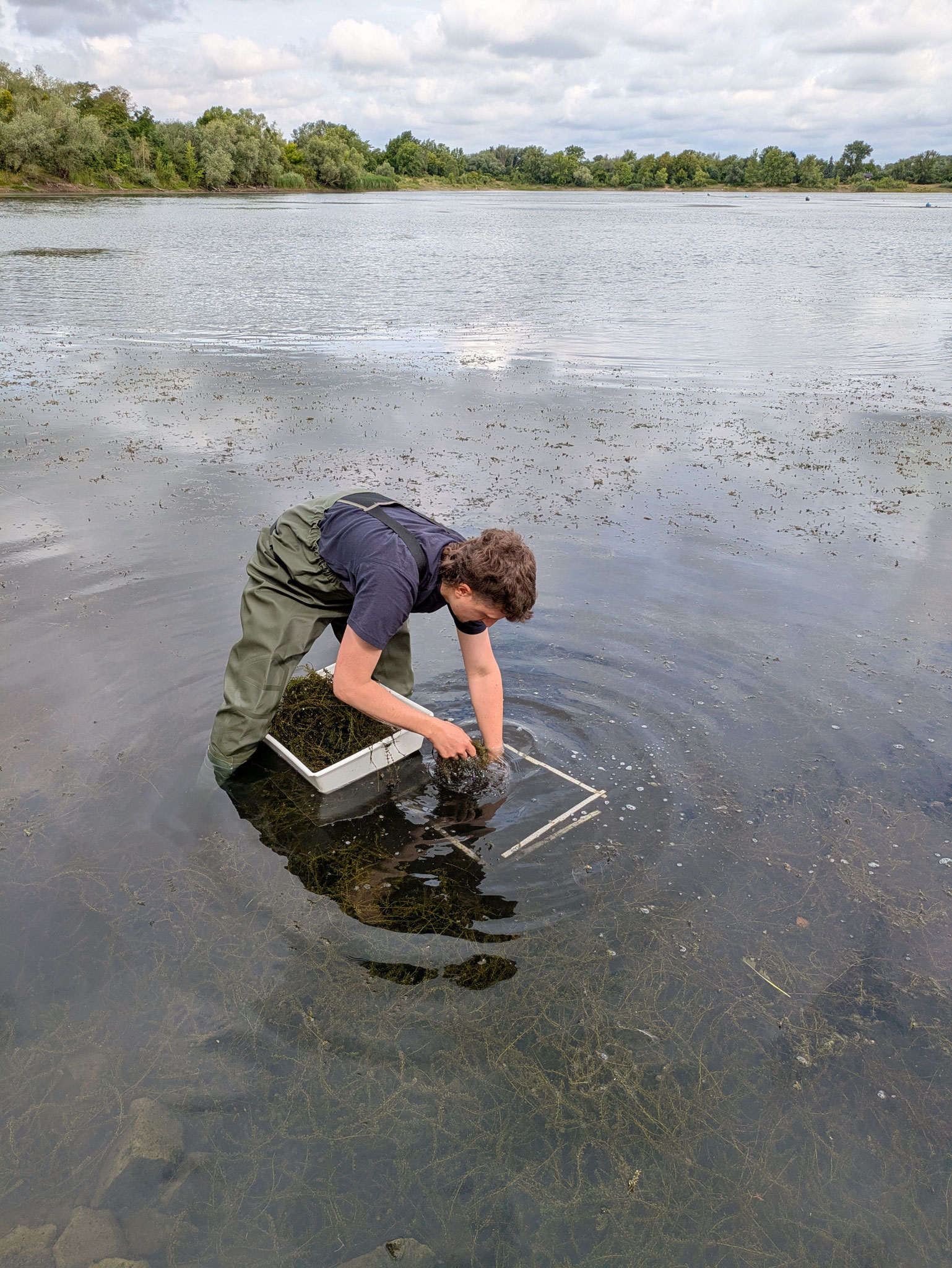
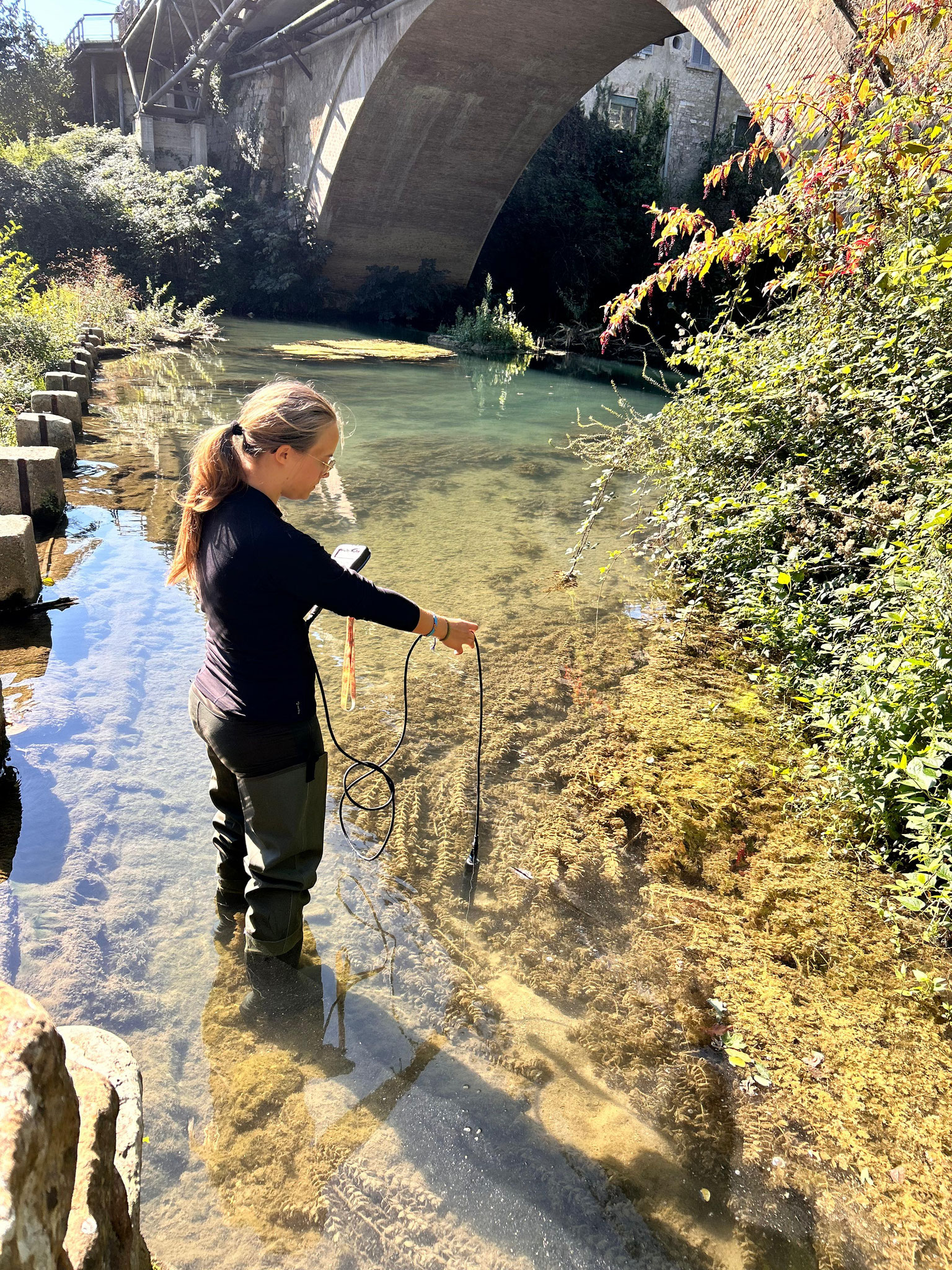
The members of our teams worked together in the field, collecting phenology data on aquatic plants and spending time immersed in nature. We are incredibly grateful for their dedication, enthusiasm, and the outstanding work they carried out.
Their collaboration and passion have been essential to the success of the project, and we couldn’t have achieved these results without them.


Methodology
Standardized Sampling
To ensure consistent data collection, a standardized sampling method will be used to observe key phenological events of aquatic plants. Monthly observations will be conducted from April to October 2025, allowing researchers to capture critical seasonal changes.
Environmental Monitoring
Alongside phenological data, environmental factors such as water temperature and nutrient levels will be tracked. This data will be correlated with phenology observations to better understand how environmental conditions influence plant life cycles.
Citizen Science
EUPHORIA participants will collaboratively develop a Citizen Science approach to engage local communities in observing aquatic plant phenology. Through this process, participants will design and implement strategies to involve the public in data collection, allowing for greater reach and inclusivity in our research. This approach not only expands the dataset but also provides participants with valuable experience in creating community-based research initiatives.